
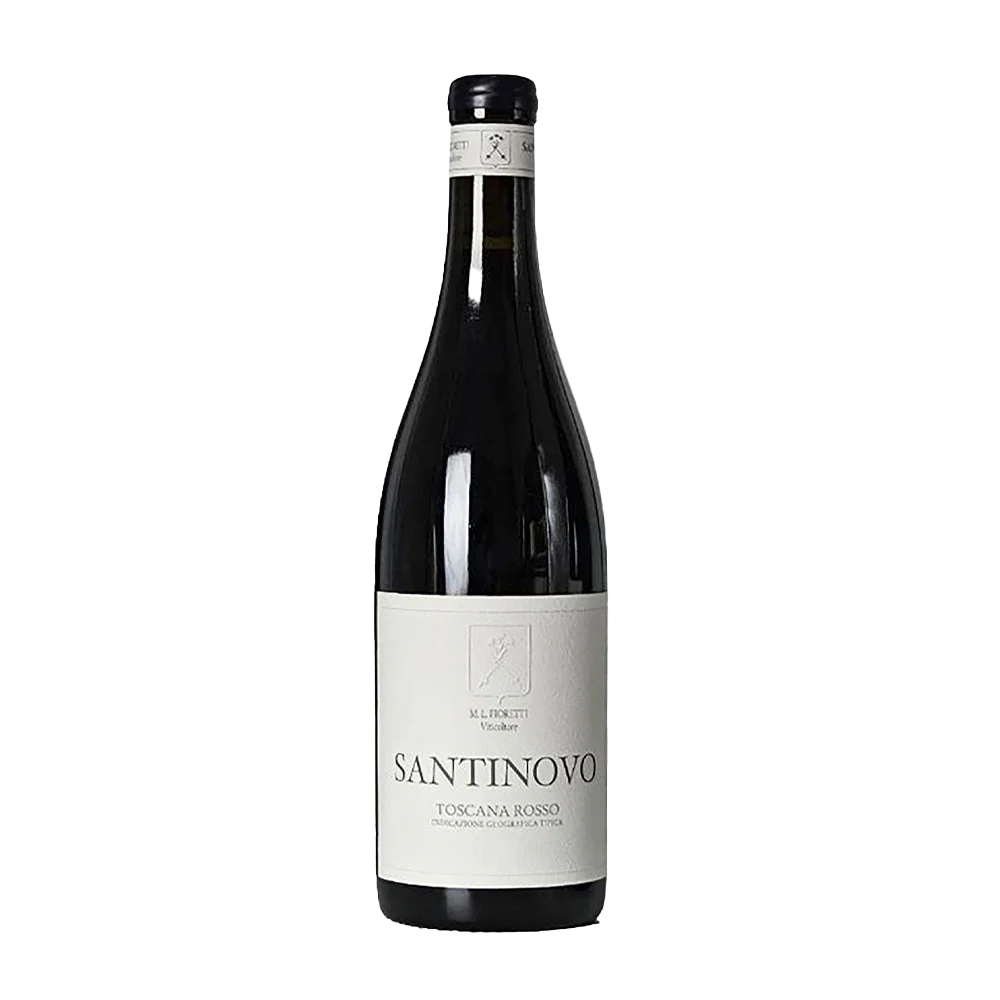
M. L. Fioretti Santinovo Toscana IGT (Wood Box)


IT744-21
Cerbaiona Srl Societa Agricola
M. L. Fioretti Santinovo Toscana IGT (Wood Box)
Tuscany , Italy
| Type: | Limited Availability |
| Varietals: | 80% Cabernet Franc, 20% Cabernet Sauvginon |
| Region: | Tuscany , Siena |
| Vineyard Size: | 2 ha |
| Planted: | 1990 |
| Farming Methods: | Hand harvested |
| Soil: | loam soils |
| Climate: | In this area the summers are short, hot, and mostly clear. clear and the winters are long, very cold, and partial. cloudy. During the year, the temperature generally ranges from 0°C to 31°C and is rarely below -5°C or above 35°C. |
| Fermentation: | Grapes refrigerated to 3 celsius prior to a meticulous destemming; only slight crushing of the berries before filling 26 HL, temperature controlled stainless steel vats; cold soaked for three days; punch down the cap and some pumping over, with peak temperatures not exceeding 26C; co-inoculated with ML Prime at the beginning of primary fermentation to complete ML simultaneously; separated from the skins in fourteen days when the wine was completely dry; after three decants, the new wines were put into wood. |
| Winemaker: | Matthew Fioretti |
| Elevage: | Only free run wine; new barriques (“cult” selection from Tonnellerie Baron) for 14 months without racking; transferred to stainless prior to bottling. |
| ABV | 14.0% | SO2 | 100 mg/l | Size | 750ml |
ABOUT THIS BOTTLE
In 2020 Fioretti vinified Santinovo Toscana IGT. That same vintage he undertook the first trial vinification of ten quintals of Cabernet Franc from an old vineyard block located the small estate, Borgo Santinovo, owned by Federico Taddei in Colle di Val d’Elsa. The first vinifications of this cuve proof of unrealized potential and also the confirmation that the high quality Bordeaux varietals, when planted in the right place, is of greater value than insisting upon local varietals at all cost. Few grapes offer the completeness of Bordeaux varietals. Their presence in Tuscany is an existing patrimony to explore and exalt, much more than an influence of internationalization.
