


SP982-22
Narupa Viños, SL
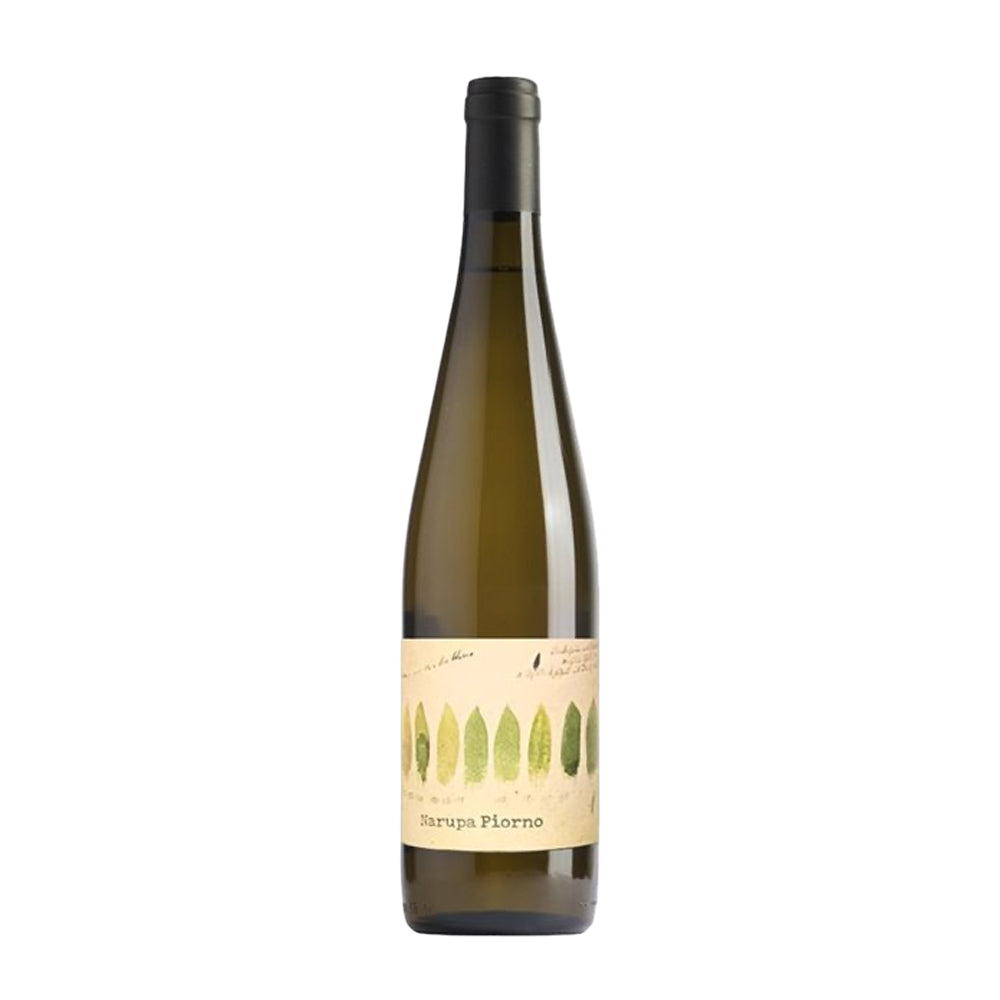
Narupa Piorno Albarino Rias Baixas
Galicia , Spain
| Type: | General |
| Varietals: | Albariño |
| Region: | Galicia , Val do Salnes |
| Vineyard Size: | 50 year-old vines, 10 miles from the ocean, 240 feet altitude. |
| Planted: | 1981 |
| Farming Methods: | They describe their vineyard management as "rational" since they combine the use of ecological therapies (such as copper sulfate and sulfur) with biological treatments (such as Bacillus) and systemic products (only when necessary and always at the lowest possible dose). Mildew is an endemic disease in Rias Baixas, where it can cause significant infections in a matter of hours that are extremely difficult to control by ecological and biological means only after the disease has developed, which is why they do not position themselves or certify as organic/ecological producers. |
| Soil: | Granitic Sandy-loam soil rich in clay and silt |
| Climate: | Due to its proximity to the Atlantic Ocean, Val do Salnes experiences a cool climate. As one of Spain's wettest locations, the area receives an annual rainfall exceeding 1,700 millimeters (66 inches). The location is also relatively foggy, with an average temperature of 63.4°F (17.4°C) from April to October. |
| Fermentation: | Spontaneous with indigenous yeast in stainless steel tanks |
| Winemaker: | Rosa Pedrosa |
| Elevage: | 10-11months in stainless steel, at least 18 months in the bottle before release. |
| ABV | 12.5% | Size | 750ml |
ABOUT THIS BOTTLE
In 2013, two brothers, Rosa and Fran, their sister-in-law, Ruth, and their friend, Nacho, launched a wine company under the name Narupa Vinos. The goal of Narupa Vinos is to create an Albariño wine that does justice to the variety's potential and the unique character of its home region, the Rías Baixas in Galicia. The Albariño wines from the inland vineyards possess a milder acidity and a gentler body. These inland vineyards are typically warmer than their coastal counterparts, therefore they need to hold more water, so the soils are heavier and have more clay content. On the contrary, this wine is elegant and austere, stronger and more well-balanced than its counterpart, with a smooth palate, a subtle bitterness, and a pleasant aftertaste.
